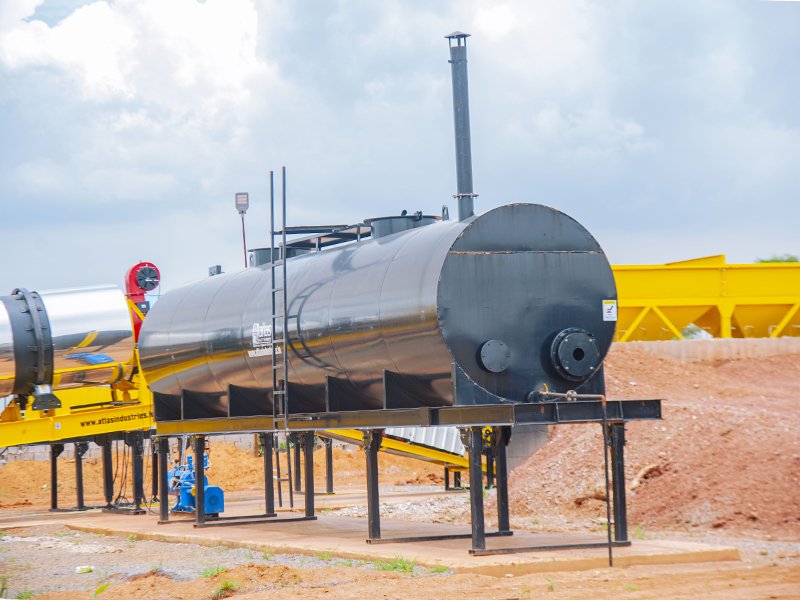
CONSTRUCTING THE FUTURE.
Your Trusted Partner for Building and Delivering Excellence in Lualaba and Beyond!
Services
Construction & Maintenance.
Le secteur minier impose des exigences particulières en matière d’infrastructures en raison des conditions extrêmes dans lesquelles il opère. La construction et l’entretien de routes, de bâtiments industriels et de structures adaptées sont essentiels pour assurer la sécurité, l’efficacité et la durabilité des opérations minières.
Well-designed and maintained mining infrastructure is a key success factor for any operation. By combining advanced engineering, suitable materials and efficient management, it is possible to ensure safe, profitable and sustainable mining operations.
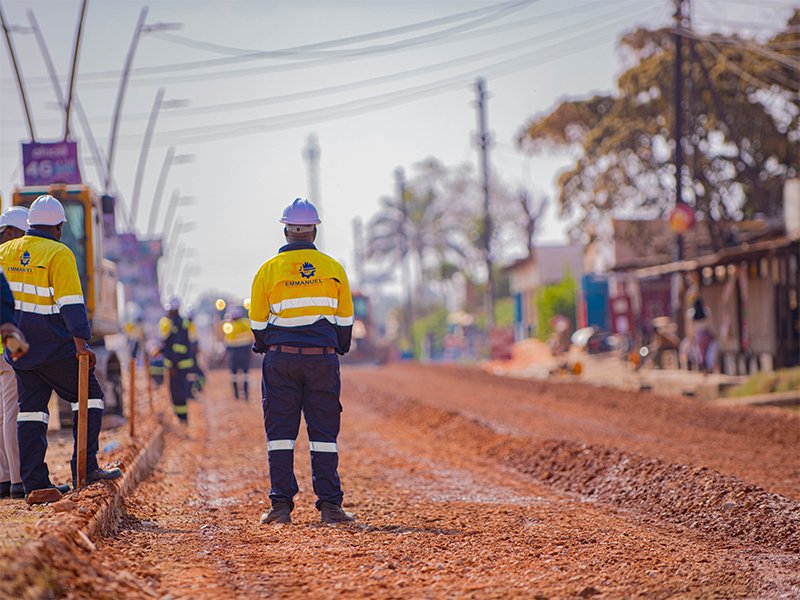
Road Infrastructure, Networks, Urban Planning And Engineering Structures
Civil engineering and earthworks play a crucial role in developing and maintaining infrastructure, encompassing roadworks, utility networks (VRD), urban development, and structural works.
Roadworks involve the construction and maintenance of roads, highways, and urban streets, integrating earthworks, pavement layering, drainage systems, and traffic management.
Utility networks (VRD) support urban functionality by providing essential services such as water supply, wastewater management, electrical grids, telecommunications, and street lighting.
These systems ensure the seamless operation of cities and industrial zones while optimizing land use and accessibility. The mining sector places special demands on infrastructure due to the extreme conditions in which it operates.
The construction and maintenance of roads, industrial buildings and suitable structures are essential to ensure the safety, efficiency and sustainability of mining operations.
Well-designed and maintained mining infrastructure is a key success factor for any operation. By combining advanced engineering, suitable materials and efficient management, it is possible to ensure safe, profitable and sustainable mining operations.
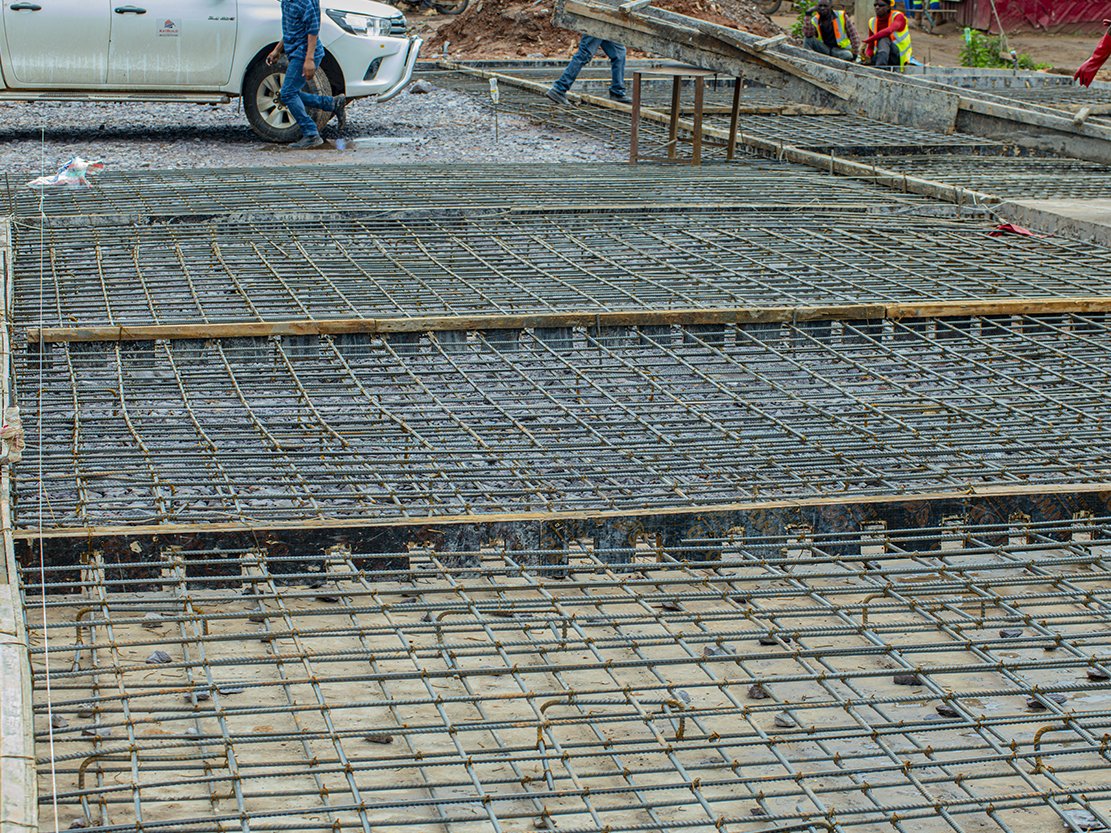
Optimized Transport & Supply Chain Management
Optimized transport and supply chain management are essential for enhancing the efficiency of goods movement and reducing logistics costs. Advanced technologies such as artificial intelligence, data analytics, and automation are used to optimize transportation by planning efficient routes, minimizing delays, and maximizing vehicle load capacity. The goal is to ensure fast and reliable deliveries while reducing environmental impact. Additionally, the integration of real-time tracking systems and collaborative platforms helps businesses anticipate disruptions and improve responsiveness to demand fluctuations.
Similarly, effective supply chain management requires seamless coordination between suppliers, transporters, and distributors. This involves leveraging innovative solutions like real-time inventory tracking, automated warehouses, and optimized production processes. A digital and agile approach not only reduces storage costs but also improves end-to-end visibility across the supply chain, ultimately enhancing customer satisfaction. By optimizing transport and supply chain operations, businesses can boost their competitiveness and resilience in an increasingly complex global market.
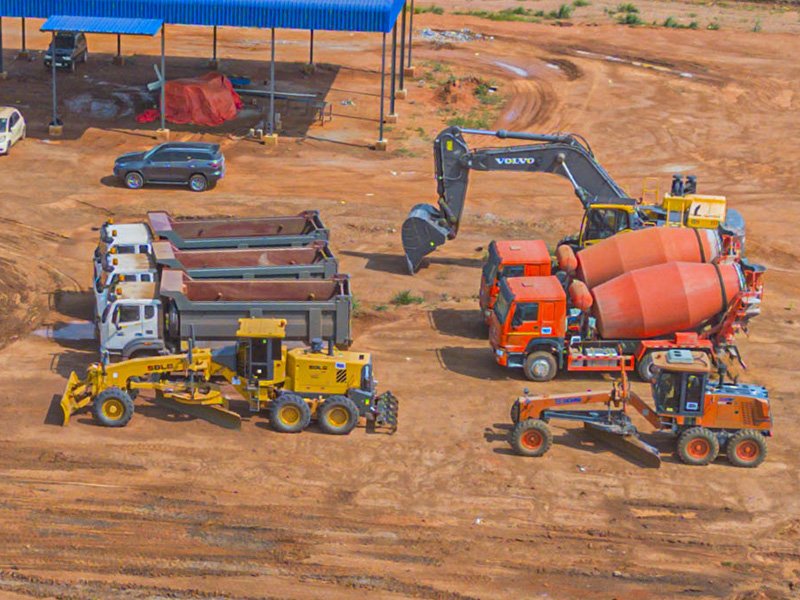
Ensuring Longevity and Compliance
Maintenance and renovation are essential for ensuring the longevity, safety, and compliance of buildings and infrastructure. Regular maintenance helps prevent wear and tear, extends the lifespan of assets, and reduces costly repairs by addressing issues before they escalate. It includes routine inspections, equipment servicing, and structural upkeep to maintain operational efficiency. Additionally, compliance with safety regulations and industry standards is crucial to avoid legal liabilities and ensure a secure environment for occupants. Implementing proactive maintenance strategies not only enhances reliability but also optimizes energy efficiency and sustainability.
Renovation, on the other hand, involves upgrading and modernizing structures to improve functionality, aesthetics, and compliance with evolving standards. Whether it’s retrofitting outdated systems, reinforcing structural integrity, or incorporating smart technologies, renovation plays a key role in adapting buildings to current and future needs. Sustainable renovation practices, such as using eco-friendly materials and energy-efficient solutions, contribute to reducing environmental impact while increasing property value. By integrating maintenance and renovation, businesses and property owners can ensure long-term durability, operational efficiency, and adherence to regulatory requirements.
Comprehensive Development for a Modern Society
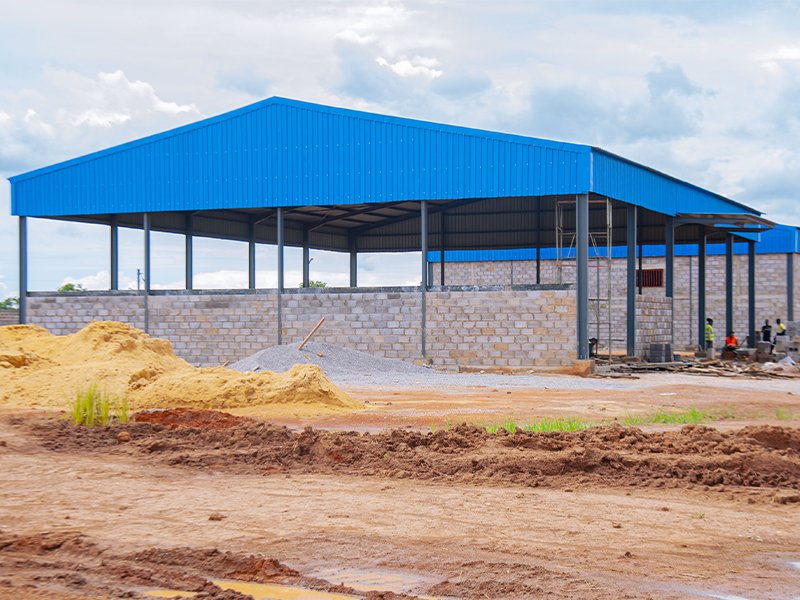
Buildings and public works play a crucial role in shaping modern society by providing essential infrastructure that supports economic growth, social well-being, and urban development. Well-planned buildings contribute to efficient housing, commercial spaces, and industrial facilities, fostering productivity and improving the quality of life. Public works, including roads, bridges, water supply systems, and public transportation networks, ensure connectivity, accessibility, and sustainability in urban and rural areas. The integration of smart technologies and eco-friendly construction methods enhances efficiency, reduces environmental impact, and ensures long-term durability.
Comprehensive development in buildings and public works requires a strategic approach that balances functionality, sustainability, and resilience. Governments and private sector stakeholders must collaborate to implement innovative design solutions, use high-quality materials, and adhere to strict safety and environmental regulations. Sustainable urban planning, incorporating green spaces, renewable energy, and smart infrastructure, contributes to more livable and resilient cities. By investing in modern, well-maintained infrastructure, societies can promote economic stability, environmental responsibility, and a higher standard of living for future generations.